
Accessories & Masks · 1 min read
The CPAP Hose, Explained
What the CPAP hose does, common issues, and when heated tubing is worth considering.
Read at your pace. Use this guide to form questions, not as a substitute for professional medical advice.
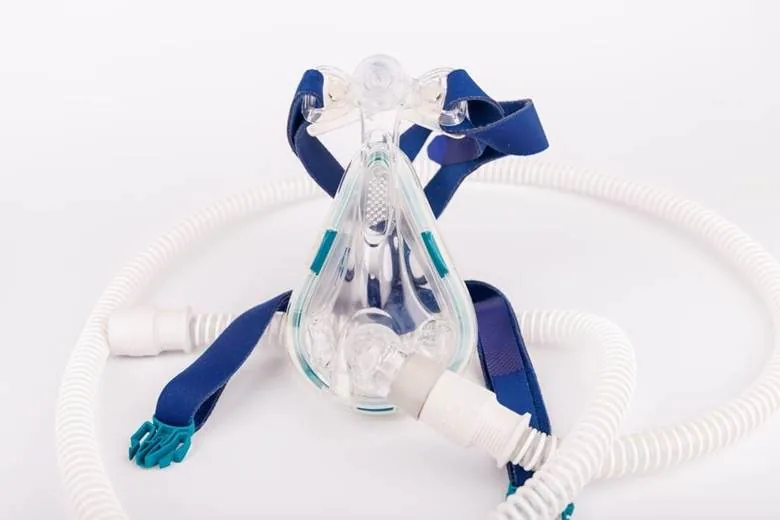
The hose (tubing) carries pressurised, and often humidified, air from the CPAP machine to your mask. It's a simple-looking part, but a few things about it are worth understanding.
Standard vs. heated tubing
Standard tubing carries air as-is. Heated tubing warms the air gently as it travels, which helps reduce condensation forming inside the tube — see why the hose can still be wet at bedtime. Heated tubing is more relevant if you use a humidifier and notice water collecting in the tube.
Common hose issues
- Condensation ("rainout") — water collecting inside the tube, often from a temperature difference between the room and the humidified air.
- Kinking — a bent or trapped hose restricts airflow; route it so it can move freely as you sleep.
- Wear over time — hoses can develop small cracks or leaks with age and regular use, which reduce the pressure actually reaching the mask.
Hose covers
A fabric hose cover can help absorb some condensation and make the tube more comfortable to have near your face and hands overnight — see how a hose cover can help.

When to replace a hose
If you notice a hissing sound along the tube's length, visible cracks, or persistent condensation that a hose cover or humidifier adjustment doesn't resolve, it may be time to replace it. Ask the CPAP Pakistan team about compatible replacement tubing for your machine — see CPAP accessories.