
Sleep Apnea · 1 min read
Should I Use My CPAP Every Time I Sleep?
Why consistent CPAP use matters, and what to do on the nights you're tempted to skip it.
Read at your pace. Use this guide to form questions, not as a substitute for professional medical advice.
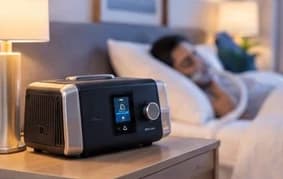
If you've been prescribed CPAP, the general guidance from sleep medicine is to use it every time you sleep — including naps — not only on nights you remember or feel like it. This guide explains why consistency generally matters, in plain terms; your prescriber's specific guidance for your situation takes priority over anything general written here.
Why consistency is generally recommended
Sleep apnea symptoms and the airway blockages that cause them don't only happen on some nights — they happen whenever you sleep, including short naps. Skipping CPAP for a night means going back to unassisted breathing during sleep, with the same interruptions the machine was prescribed to address.
Some people also find it easier to stay consistent with the mask and airflow the more nights in a row they use it — inconsistent use can make each restart feel less comfortable than it would with regular use.
Common reasons people skip nights, and what tends to help
- Travel — see our guide on travelling with a CPAP machine for portable options.
- Mask discomfort — worth addressing directly rather than skipping nights; see how to choose a CPAP mask.
- Power outages — a real, practical issue in Pakistan; see our guide on CPAP backup power.
- Feeling like "just one night won't matter" — understandable, but the interruptions to breathing return as soon as therapy stops for the night.
If you're struggling to use it consistently
That's worth raising directly with your prescriber or the CPAP Pakistan team rather than quietly skipping nights — there may be a practical fix (mask type, humidity setting, pressure comfort feature) rather than something you need to simply push through. For habits that help beyond the first few weeks, see staying consistent with CPAP therapy.