
Accessories & Masks · 1 min read
Disposable vs. Reusable CPAP Filters: Which Should You Use?
The practical difference between disposable and reusable CPAP filters, and how to decide which fits your routine.
Read at your pace. Use this guide to form questions, not as a substitute for professional medical advice.
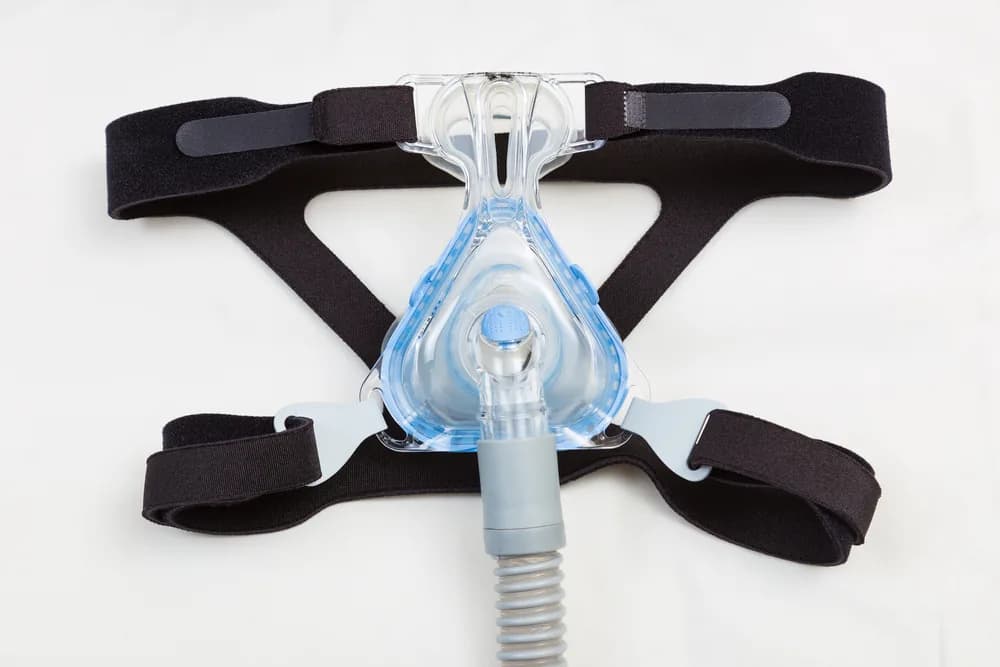
CPAP machines use an intake filter to keep dust and particles out of the air you breathe. Most machines take either a disposable (fine, foam-like) filter, a reusable (fabric, washable) filter, or both in combination — which your machine uses depends on its model.
Disposable filters
- Replaced entirely on a schedule (check your machine's manual for the recommended interval) rather than cleaned.
- Generally filter finer particles than a reusable filter, since they aren't designed to survive washing.
- Ongoing cost, since they're replaced rather than reused.
Reusable filters
- Rinsed with water on a regular schedule rather than replaced.
- Lower ongoing cost, since one filter lasts longer with regular cleaning.
- Needs to be fully dry before reinserting, to avoid moisture entering the machine.
Which is "better"?
Neither is universally better — it depends on your machine (some only support one type), your budget, and how consistent you are with a cleaning routine. If you tend to forget routine maintenance, a disposable filter on a fixed replacement schedule may suit you better. If you're comfortable with a weekly rinse-and-dry routine, a reusable filter can cost less over time.
Signs a filter needs attention
- Visible grey or dark discolouration.
- Reduced airflow or a musty smell from the machine.
- Past the manufacturer's recommended replacement or cleaning interval.
A blocked filter restricts airflow to the machine, which can affect how therapy feels — see why a CPAP can feel like it's not delivering enough air. Ask the CPAP Pakistan team which filter type your machine uses and for replacement options — see CPAP accessories.